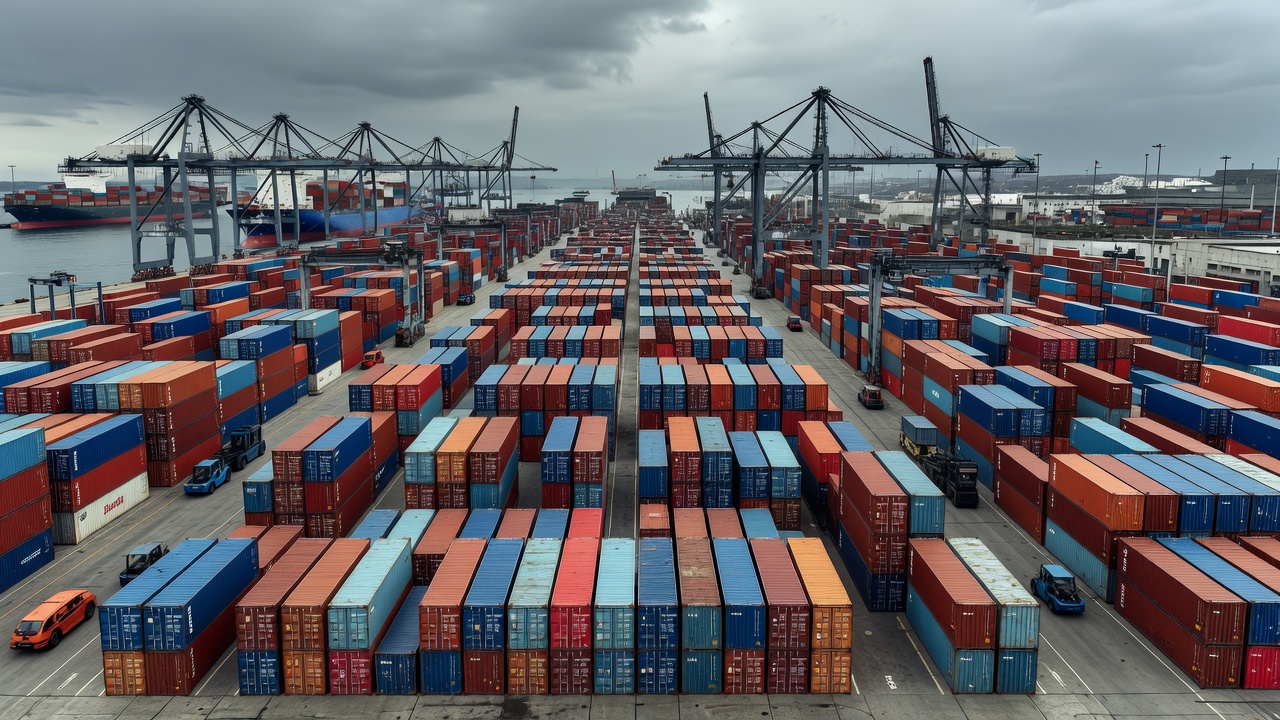
Bringing a vehicle into a new country introduces a layer of complexity to the registration process. An imported vehicle cannot simply be registered like a domestic purchase; the destination country must first verify its legal entry, technical conformity, and historical identity. This guide outlines common considerations when attempting to register an imported vehicle in a European jurisdiction.
Origin Country Considerations
The process is heavily influenced by the origin country. Within the European Union, the principle of free movement of goods simplifies some aspects, such as customs duties, but administrative processes still apply. If the vehicle is imported from outside the EU (a "third country"), the bureaucratic hurdles are generally more stringent, often requiring full customs clearance and potentially extensive technical modifications to meet local standards.
Existing Registration Documents and Ownership
When presenting an imported vehicle for registration, the original registration documents from the origin country are almost always required. These documents prove the vehicle’s identity and previous status. In many cases, the original documents will be retained or marked as cancelled by the new registration authority to prevent the vehicle from being simultaneously registered in two jurisdictions.
Alongside the registration history, explicit ownership evidence is critical. A clear bill of sale or purchase invoice linking the importer to the vehicle is necessary. If the existing documents are in a language not understood by the local authority, certified translation requirements may apply.
Vehicle Identification Number (VIN) Verification
The Vehicle Identification Number is strictly scrutinized during import. The physical VIN stamped on the vehicle's chassis must perfectly match the existing foreign registration documents, the ownership evidence, and the import documentation. Customs or technical inspection agencies may perform a physical check of the VIN to ensure the vehicle is legitimate and has not been altered.
Import and Customs Documentation
Customs-related paperwork is a defining feature of the import registration process. For vehicles brought from outside the local customs union, proof of customs clearance (showing that import duties and relevant taxes have been paid or exempted) is a strict prerequisite for registration.
Even for intra-European moves, there may be requirements to notify local tax authorities regarding Value Added Tax (VAT), especially if the vehicle is classified as "new" under specific administrative definitions.
Technical and Inspection Documentation
A vehicle built for one market may not meet the safety or emissions standards of another. Imported vehicles often require an initial technical inspection before registration. This involves checking:
- Headlight alignment (e.g., left-hand vs. right-hand drive configurations).
- Emissions compliance and exhaust standards.
- Speedometer units (kilometers vs. miles).
A European Certificate of Conformity (CoC) provided by the manufacturer can significantly streamline this process for EU-type approved vehicles. Vehicles lacking a CoC may require an Individual Vehicle Approval (IVA) or equivalent rigorous local testing.
Insurance-Related Documentation
Before local number plates can be issued, evidence of valid local motor insurance is usually required. Because the vehicle does not yet have a local registration number, insurers may issue a policy based on the VIN, which is updated once the administrative process is complete.
Country-Specific Administrative Requirements
Ultimately, imported-vehicle procedures vary significantly between countries. Some nations require a temporary transit plate for the vehicle to be driven to an inspection center, while others require it to be transported on a trailer. Do not assume that a process that worked in one European country will map perfectly onto another.